

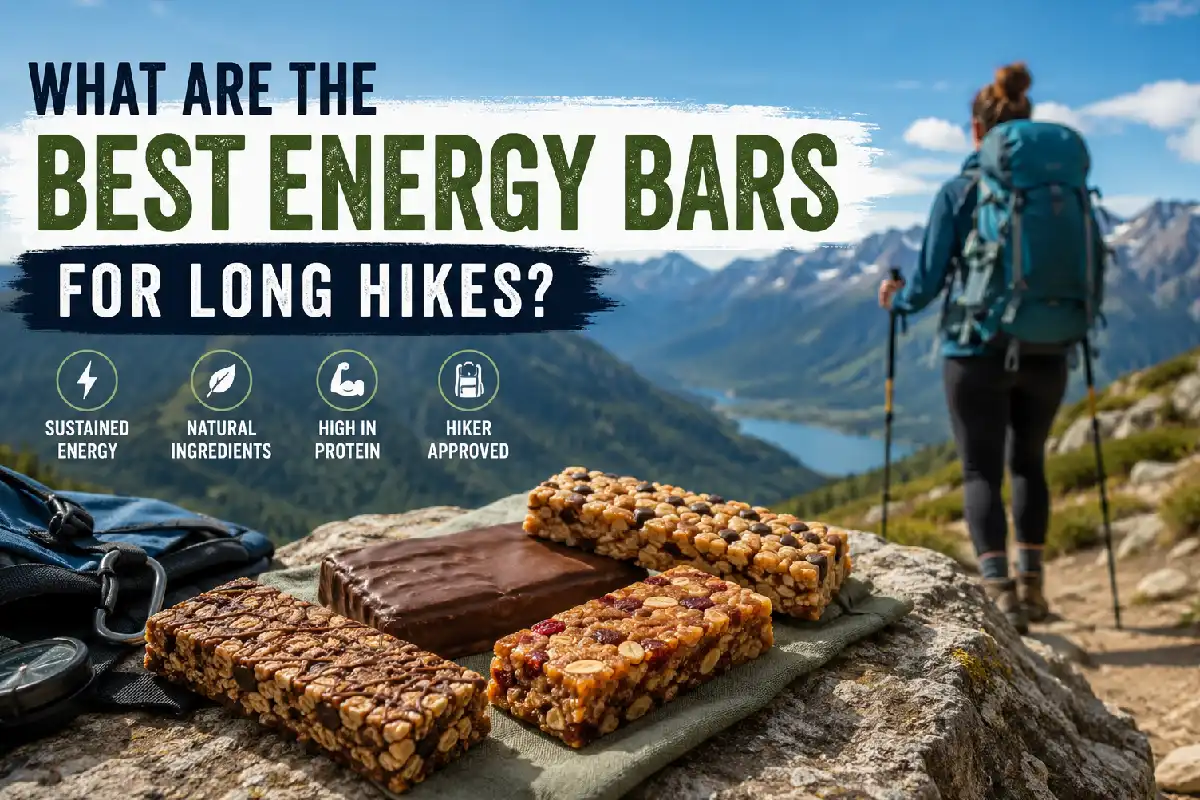
The best energy bars for long hikes are those that provide a good balance of carbohydrates, protein, healthy fats, and essential nutrients. A good hiking energy bar should offer quick energy, keep you full for longer, and be easy to carry and consume while walking.
Table of Contents
Why Are Energy Bars Important for Long Hikes?
Long hikes require continuous energy because your body burns more calories while walking for several hours, especially on steep trails or difficult terrain. Carrying regular meals is not always practical, which is why energy bars have become a popular choice among hikers.
A good energy bar provides concentrated nutrition in a small package. It helps maintain energy levels, prevents fatigue, and gives your body the fuel it needs to keep moving.
Unlike snacks that only provide quick sugar, well-balanced energy bars contain ingredients that release energy gradually and support endurance.
What Should You Look For in the Best Energy Bars for Hiking?
Choosing the right bar depends on your hiking duration, intensity, and personal nutrition needs. Here are some important factors to consider:
1. Balanced Carbohydrates for Energy
Carbohydrates are the main fuel source during physical activity. During long hikes, your body uses stored glycogen, and consuming carbohydrates helps maintain energy levels.
Look for bars that contain ingredients like:
- Oats
- Whole grains
- Dates
- Fruits
- Natural carbohydrates
These provide steady energy without causing sudden crashes.
2. Protein for Muscle Support
Protein plays an important role in maintaining and repairing muscles after physical activity. Hikers covering long distances can benefit from protein-rich snacks that support recovery.
High protein energy bars are a good option because they provide both convenience and nutrition. They can help you stay satisfied during longer trails where regular meals are not available.
3. Healthy Fats for Longer Fuel
Healthy fats provide slow-releasing energy, making them useful for endurance activities. Ingredients like nuts, seeds, and nut butter can help increase the nutritional value of an energy bar.
A combination of carbohydrates, protein, and healthy fats makes a bar more suitable for extended outdoor activities.
Types of Energy Bars Suitable for Long Hikes
Different hikers have different requirements. Some prefer quick energy, while others need more filling options.
1. High-Carbohydrate Energy Bars
These are useful for intense hikes where you need quick fuel. They are especially helpful during steep climbs or when hiking for many hours.
They usually contain:
- Dried fruits
- Grains
- Natural sweeteners
2. Protein-Based Energy Bars
Protein-based options are ideal for hikers who want a more filling snack. They help reduce hunger and provide nutrients that support muscle recovery.
The best protein bars usually combine quality protein sources with carbohydrates to provide balanced nutrition instead of focusing only on protein content.
3. Natural Ingredient Energy Bars
Many hikers prefer bars made with simple ingredients. Options containing nuts, seeds, oats, and fruits can provide a cleaner source of energy with fewer unnecessary additives.
How Many Energy Bars Should You Carry on a Long Hike?
The number of bars you need depends on:
- Duration of the hike
- Distance covered
- Weather conditions
- Personal calorie requirements
- Hiking intensity
For a short hike of a few hours, one or two bars may be enough. For longer hikes lasting most of the day, carrying multiple bars along with water and other snacks can help maintain energy levels.
It is always better to carry slightly more nutrition than you think you need, especially when hiking in remote areas.
When Is the Best Time to Eat an Energy Bar?
Timing matters when using energy bars during hikes. Waiting until you feel completely exhausted can make recovery harder.
A good approach is:
- Eat a small portion before starting the hike for initial fuel.
- Have a bar during breaks to maintain energy.
- Consume protein-rich options after the hike to support recovery.
Eating smaller amounts regularly is often better than consuming a large quantity at once.
Are Protein Bars Better Than Regular Energy Bars for Hiking?
It depends on your hiking goals.
Regular energy bars are often higher in carbohydrates, making them useful for quick energy during intense activity. Protein bars focus more on keeping you full and supporting muscle recovery.
For long hikes, a balanced option that contains both carbohydrates and protein is usually more beneficial than choosing only one nutrient.
Common Mistakes to Avoid When Choosing Hiking Energy Bars
● Choosing Bars Only Based on Taste
A tasty bar is enjoyable, but nutrition should be the priority. Check the ingredients and nutritional value before making a choice.
● Ignoring Protein Content
Long hikes put stress on your muscles. Including protein in your hiking nutrition plan can support recovery and reduce hunger.
● Selecting Bars With Too Much Sugar
Some bars may provide quick energy but lead to a sudden drop later. Choose options with balanced ingredients for consistent performance.
● Trying a New Bar During a Difficult Hike
Always test a new energy bar before taking it on a challenging trail. Some ingredients may not suit your digestion during intense activity.
Final Thoughts
The best energy bars for long hikes should provide lasting energy, support muscle function, and be convenient to carry. A combination of carbohydrates, protein, and healthy fats makes an ideal choice for outdoor adventures.
Whether you are a beginner exploring local trails or an experienced hiker preparing for longer journeys, selecting the right nutrition can make your experience more comfortable and enjoyable. Brands like Proathlix focus on creating convenient nutrition options that fit active lifestyles, making it easier to choose snacks that support fitness and endurance goals without compromising on taste or quality.