

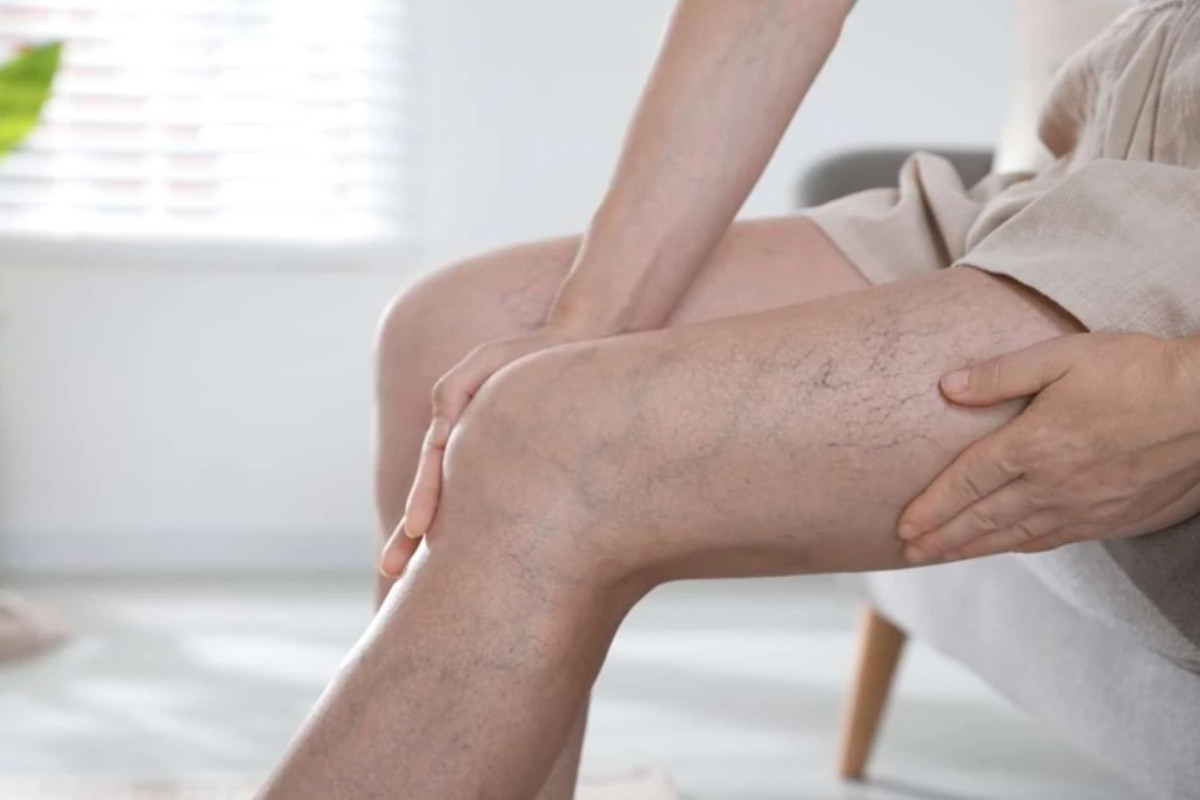
Active living comes with the connotation of strength, endurance and raw vitality. Exercise is a central component of physical and mental health for many people. But when you have varicose veins, staying active can seem like a challenge. Aching, or feeling of leg heaviness, swelling, visible veins or “ugly” legs can make it unclear whether your workouts are safe and if exercise could exacerbate symptoms.
The good news is that living with varicose veins should not have to curtail one’s active lifestyle. With a bit of knowledge about how the body handles circulation, intelligent choices in fitness and recovery techniques it is very possible to stay in shape while reducing leg discomfort. In truth, the right kind of movement may be good for your veins instead of bad.
Table of Contents
Varicose Veins: Why They Happen What Do They Mean and Can You Treat Them?
Varicose veins are caused when the valves inside veins weaken, resulting in an inefficient return of blood toward the heart. When excess blood remains in the lower legs, a person can develop large, twisted veins that protrude from the skin. This higher pressure can cause aching, heaviness and fatigue as well as swelling in the legs.
Discomfort typically increases after prolonged standing or sitting in modern, sedentary life. Even otherwise athletic individuals may be symptomatic if their exercise regime does not support circulation and recovery. Comprehension of this mechanism can help elucidate why some movements feel good while others cause pain.
Why Keeping Active Is Still Crucial for the Health of Your Veins
However, even despite doubts, movement remains one of the key elements for a healthy vein system. Each time the muscles of the legs contract, especially those in the calves, they help to push the blood upwards toward the heart. This natural pump action lowers pressure in the veins and promotes improved blood flow.
An active lifestyle also maintains a lower weight, thus putting less pressure on the venous system. Additional weight adds pressure on veins, and increasing chances of pain and development of varicose veins on your legs. Staying active is good for your heart and blood vessels, with symptoms usually getting better when this is done the right way.
Medication: 20 Tips Exercise to Help Sciatica Exercises both for relief and to prevent recurrence that you can do without pain Exercises such as yoga, tai chi, improvement of posture and others help return circulation to the nerves and lift your herniated disc.
People with varicose veins usually find low-impact exercises are easiest to do regularly. Walking is one of the easiest and most efficient exercises you can do to enhance circulation. It leaves the leg muscles active and does not put too much pressure on the veins or joints.
Swimming is also a good sport because water pressure from the pool helps support blood flow and decreases gravitational burden. Bicycling, either outside or on a stationary bike, it provides continuous smooth leg motion that stimulates blood flow without high impact. These things have helped me to gain endurance and also to start feeling less and less pain during my workouts and also after.
Aerobic Workouts without the Added Impact To Your Joints that Comes with Jogging.
Weightlifting is still a key element of any well-rounded fitness repertoire, even with varicose veins. It’s about controlled movement, correct breathing and moderate resistance. Acute strain or breath holding during lifting work can temporarily raise the pressure in veins, which might make discomfort worse.
Exercises for lower body can be good if one does it consciously. As long as the muscles are working through full range, and time is given between sets to return circulation. When strength training is that, and there’s enough recovery (not over-filling the muscles with blood), it helps maintain muscle tone without overwhelming the venous system.
Things That Could Cause Pain in the Legs
Exercises can make it worse too and further inflame the issues if not done cautiously. Such exercise as high-impact workout, excessive running on pavement and plyometric movements may create high venous pressure that results in a feeling of leg heaviness or swelling. Likewise, exercises with extended static holds may hinder circulation if done to excess.
That does not mean you have to entirely avoid these activities. But instead you may have to supplement them with scaled down or less high-impact exercises. Noting how the legs feel during and after exercise can help indicate which activities are best tolerated.
Tuning In to the Body When Fit It can be easier
One of the most crucial factors in maintaining fitness with varicose veins is body awareness. Otherwise, occasional aching or swelling that quickly eases with movement is usually not cause for concern — but nagging pain, swelling or throbbing could be signaling that your legs require rest or a new outlook.
Continuing to ignore symptoms may lead to increased discomfort and pain. Tweaking the intensity of your workouts, reducing the time you spend exercising, or adding in other restorative activities can make a big impact. Exercise should make you feel good, not beat down.
Ways to Recover From Running With Less Leg Pain
Recovery as an Essential Role in Treating Varicose Veins. Lifting the legs after a workout allows blood to move back towards the heart, preventing it from collecting in the lower body. Good hydration is providing the vascular system with blood flow and replenishment, and good sleep means allowing time for that recovery.
Compression garments are popular among some active people while participating in, or after a work out. They’re not a remedy per se, but they can help alleviate swelling and fatigue in the muscles, especially after long training days or being on your feet all day.
When Being Active Isn’t Enough
And for some, aching legs continue even when keeping fit and active. Veins that become noticeably worse (or skin becomes inflamed from veins) may be a sign of vein disease and shouldn’t be ignored.
In some, talking to someone who knows may help clarify things and offer symptom relief. An increasing number seek care from facilities that provide Vein treatment in Thornton, where accurate diagnostics and minimally invasive options are formulated to keep patients moving with no downtime.
Caring for Your Veins and Modern Fitness Devices
The aforementioned advances in vein treatment have made care more compatible with fitness goals than at any other time in history. Recovery time is minimal for many treatments, with the ability to return to light activities soon after and slowly resume normal activities.
Taking care of your veins can lead to greater exercise tolerance, less discomfort and a sense of reassurance when moving around. For the active person, however, appropriate treatment more frequently increases long-term adherence to fitness than destroys it.
The Psychological Aspect of Being Active with Varicose Veins
Pain, pain-related interference and their associations with psychological factors in cyclists with saddle discomfort. Worries about pain, looks or flare-up of symptoms may decrease motivation and self-efficacy. With time, you become less active and more circulatory problems occur.
Proactively managing vein health contributes to physical comfort as well as mental wellbeing. When you feel good about the way your body looks it is much easier to build a consistent workout routine and enjoy working out.
Creating a Sustainable, Vein-Friendly Fitness Routine
A well-rounded fitness lifestyle is a blend of movement, strength and recovery. Variation, listening to bodily signals and being flexible with your choices of training methods sensibly reduce discomfort while allowing progress.
Don’t let varicose veins hold you back from staying healthy! When exercises are developed in the context of circulation, they are a most effective way to maintain our health freedom and comfort through time.
Conclusion
Contrary to popular belief, you don’t have to compromise an active lifestyle when dealing with varicose veins. Thanks to smart exercise decisions, good recovery and mindfulness of leg comfort, it doesn’t have to be that way. When not overdone and practiced in moderation with awareness, movement facilitates circulation, strength and general health.
Those with symptoms that persist can expect professional treatment to provide measures which are compatible with an active life. By making vein health part of their fitness journey, they can have stronger legs and greater confidence as well as a smoother path to long-term health.