

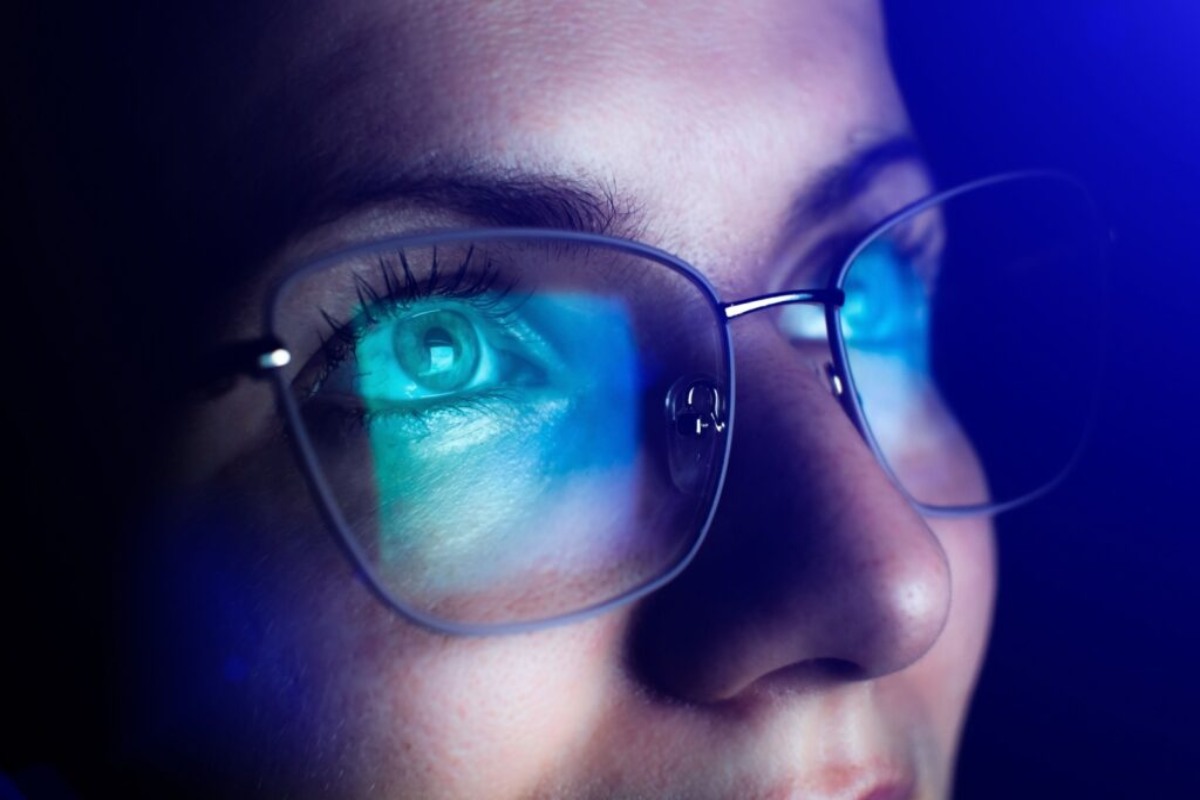
The average adult now spends more than seven hours a day looking at a screen. Add in the time spent outdoors in UV-exposed environments, and the eyes are working under significant and constant strain from the moment you wake up to the moment you go to sleep. Most people give very little thought to what that sustained exposure is doing to their long-term eye health, and that gap between daily habit and awareness is where preventable problems quietly take root. Protecting your eyes in the modern world doesn’t require dramatic lifestyle changes. It requires understanding what you’re dealing with and making a few deliberate choices consistently.
Table of Contents
What Screens Are Actually Doing to Your Eyes
Digital eye strain, also known as computer vision syndrome, has become one of the most common vision complaints among adults and children alike. It’s produced by a combination of factors that screens introduce simultaneously: prolonged near-focus demand, reduced blink rate, blue light exposure, glare from screen surfaces, and poor viewing ergonomics that force the eye’s focusing system to work harder than it should for extended periods.
The symptoms are familiar to most screen users even if they don’t connect them to their visual habits. Headaches that build through the afternoon, blurred vision at the end of a workday, dry and irritated eyes, difficulty refocusing after looking up from a screen, and neck and shoulder tension that develops alongside eye fatigue are all classic presentations of digital eye strain. None of them are trivial, and all of them worsen over time when the underlying cause isn’t addressed.
Blink rate is one of the most underappreciated factors in screen-related eye discomfort. In normal conditions, adults blink approximately fifteen to twenty times per minute, which keeps the tear film replenished and the ocular surface lubricated. During focused screen use, that rate drops to as few as five blinks per minute, leaving the tear film unstable and the eye surface exposed for far longer than it’s designed to handle. Over a full working day, the cumulative effect is significant dryness, irritation, and reduced visual clarity that many people simply accept as normal fatigue.
The Blue Light Question
Blue light has received considerable attention in recent years, and the conversation around it has generated more heat than clarity in some quarters. What the research consistently supports is that high-energy blue light emitted by screens contributes to eye strain during extended viewing and can disrupt the body’s circadian rhythm by suppressing melatonin production when screens are used in the hours before sleep.
Whether blue light causes long-term retinal damage at typical screen exposure levels remains a topic of ongoing research, but its role in contributing to digital eye strain and sleep disruption is well-established enough to warrant practical management. Blue light filtering lenses, screen settings that reduce blue light output in the evening, and deliberate screen breaks all reduce the cumulative load on your visual system during high-exposure days.
UV Exposure and Outdoor Eye Protection
The digital side of modern eye strain gets most of the attention, but UV exposure remains one of the leading contributors to long-term eye health deterioration. Cumulative UV exposure is a primary risk factor for cataracts, macular degeneration, and pterygium, a tissue growth on the eye’s surface that can affect vision if left unmanaged. The damage is cumulative and largely invisible until it’s significant, which makes consistent protection more important than reactive care.
Sunglasses that block 99 to 100 percent of both UVA and UVB radiation are the baseline standard for outdoor eye protection. Wraparound styles provide the most comprehensive coverage by reducing UV entry from the sides as well as directly ahead. Wide-brimmed hats add a meaningful additional layer of protection during extended outdoor exposure, particularly at midday when UV intensity peaks.
Importantly, UV damage occurs on overcast days as well as in direct sunlight. Clouds filter visible light but not UV radiation, which means the conditions that feel safest from a glare perspective are not necessarily the safest from a UV protection standpoint.
Practical Habits That Make a Genuine Difference
Protecting your eyes in a digital world doesn’t require overhauling your work setup overnight. A handful of consistently applied habits reduce the daily strain load significantly:
Follow the 20-20-20 rule: every 20 minutes of screen use, look at something 20 feet away for at least 20 seconds to give the focusing system a genuine rest
Position your screen at arm’s length and slightly below eye level to reduce the strain associated with upward gaze and excessive screen proximity
Adjust screen brightness to match the ambient light in your environment rather than working with a screen that’s significantly brighter or dimmer than your surroundings
Use artificial tears or lubricating eye drops during long screen sessions, particularly in air-conditioned or heated environments where ambient humidity is low
Enable night mode or warm display settings in the evening to reduce blue light output during the hours before sleep
Wear UV-protective sunglasses consistently outdoors, not just on beach days or during skiing
None of these habits is burdensome in isolation. Applied together, they meaningfully reduce the cumulative strain that modern screen and sun exposure places on your visual system every day.
Why Regular Eye Exams Are the Foundation of Eye Health
Habits and protective eyewear address the symptoms and surface-level risks of daily eye exposure. What they can’t do is detect the changes happening inside the eye that have no symptoms in their early stages. Conditions like glaucoma, macular degeneration, and early diabetic retinopathy are all progressive and largely symptom-free until they’ve caused significant damage. Regular comprehensive eye examinations catch these conditions at a stage where intervention is most effective and outcomes are best.
For heavy screen users, eye exams serve an additional purpose beyond disease screening. An up-to-date prescription and a conversation about your specific visual demands allow your optometrist to recommend lens designs, coatings, and contact lens options that are specifically suited to your working environment. A prescription that was accurate two years ago may no longer be delivering the visual performance your eyes need for the screen time your current life involves.
Contact Lenses in a Screen-Heavy World
Contact lens wearers face specific challenges in high screen-use environments. Reduced blink rate during screen use affects contact lens comfort and tear film stability more acutely than it does for glasses wearers, and dry environments compound the effect. Daily disposable lenses reduce the protein buildup and deposit accumulation that worsen comfort during long screen days, and extended wear lenses designed specifically for dry eye conditions have become significantly more effective in recent years.
If you’re a contact lens wearer experiencing increasing discomfort during screen use, the issue may be the lens type, the wearing schedule, or the lubricating drops you’re using rather than contact lenses themselves. A conversation with your optometrist about your specific symptoms and environment produces recommendations that improve comfort without requiring you to abandon contact lens wear entirely.
See 414 Eyes for Complete Eye Care in Milwaukee
Your eyes are navigating more daily demands than any previous generation has faced, and the right professional care makes all the difference in how well they hold up over the long term. Whether you’re overdue for a comprehensive Milwaukee eye exam, exploring
contact lenses Milwaukee options better suited to your screen-heavy lifestyle, or simply want expert guidance on protecting your vision for the decades ahead, the team at 414 Eyes
brings the expertise and technology to keep your eyes healthy through every screen-filled, sun-exposed day. Book your appointment today and give your eyes the attention they deserve.