

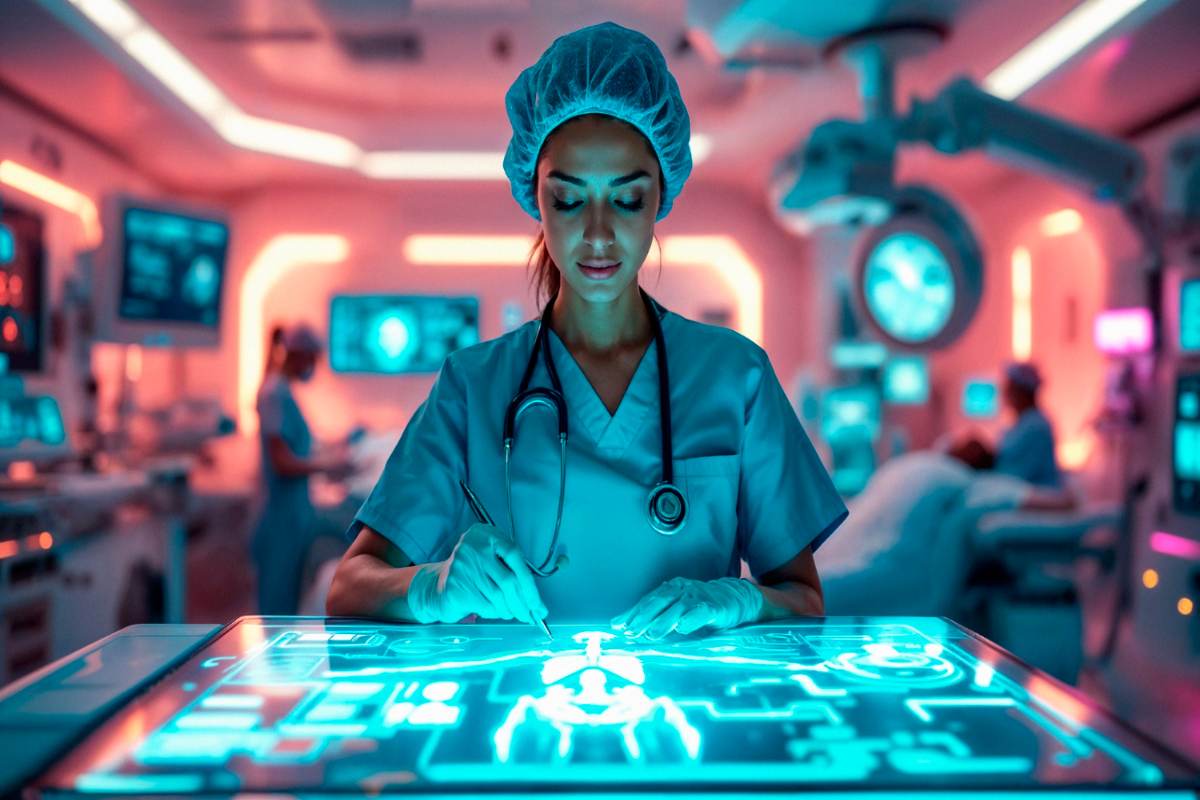
Walk into a hospital today, and you will notice changes from just the last decade. There are monitors everywhere. Vital signs are broadcast on screens constantly. There are insulin pumps that adjust automatically based on the needs of the patient. There are imaging machines that would have caught things that doctors at one time missed. Healthcare technology has improved rapidly over the last decade.
What may be even more impressive, though, is that the protections for healthcare technology have kept pace. As medical devices become smarter and more connected, the whole industry has figured out how to protect these devices, and so far, they are doing a good job.
Table of Contents
Safety is Built into Everything
Medical devices can do things today that would have been unimaginable just a couple of decades ago. A pacemaker can send data to a doctor’s office without a patient ever having to walk through the door. Ventilators can adjust themselves in real time to match the patient’s needs. These are not just bells and whistles on an electronic device. They make a difference to the care patients receive.
The person who has to ensure that all this connectivity is secure is a devoted team of healthcare professionals. Healthcare organizations have dedicated people who work tirelessly to ensure that medical technology in their facilities is safe and reliable. Consideration of medical device cybersecurity is now just part of operating a healthcare organization, with individual roles focusing on the reliability of these devices.
What makes this all even more efficient is that healthcare technology does not just wait for disasters to happen before taking steps to avoid them. Hospitals evaluate the effectiveness of a device before they ever start using it. They keep an eye on its performance, and they change their safety protocols to keep pace with the changes in the devices themselves. This is a far more proactive approach than many people assume.
The Nuts and Bolts of Protection
Hospital safety when it comes to medical devices involves multiple layers of protection that work together. You can think of it as a series of nets stacked on top of each other.
First, hospitals these days keep medical devices separate from the rest of the hospital network. If anything happens elsewhere in the hospital’s network, the devices remain safe in their own little enclave. You can think of this in the same way that ships have compartments in them that can be sealed individually if water starts to fill one part of the ship.
Companies that make medical devices have dramatically increased their ability to build safety directly into the device. Most medical devices today feature encrypted communication, and software updates that download over the air as soon as they connect to a network. A few years ago, these kinds of features were added on by manufacturers as a unique selling proposition. Today, they are features of many medical devices that make them safer directly “out of the box.”
The IT departments in hospitals work together with the medical staff who use the devices to monitor their performance. The teams keep a close eye on how the device is doing and if it is working as expected. They keep an eye on any potential vulnerabilities before they become issues. They update the programs. They check that they are set up correctly. And every new device has an extensive testing period before it is ever placed in the hands of a patient. All of this means that protection in hospitals also evolves as the technology behind medical devices changes.
People Make It Work
Despite all the focus on technology to keep medical devices safe, one of the most important aspects of keeping technology safe is still people interacting with those devices.
Nurses and doctors all receive training in how to operate medical devices with protection for those devices in mind. They do not learn to be IT specialists, but they learn to recognize when something is not as it should be, and who to go to if this is the case. This is often enough to identify an issue before it affects their patients.
Biomedical engineers have more responsibility today than ever when it comes to protecting devices. They used to be responsible for ensuring that devices kept working, but now their skills and knowledge about how devices work are part of the broader picture of protection for these devices. Their knowledge of how devices work inside out can help hospitals make better purchasing and setup decisions.
Hospital administrators have also played their part in promoting device protection. They have put funds and resources toward this effort, and any issue administrators focus on becomes important.
What This Means for Actual Healthcare
All of this affects the provision of healthcare. Patients receive reliable care from technology they know will work every time they use it, medical staff can trust their devices to give them the information they need, and hospitals can rely on devices that require 100% reliability every time they are used.
These changes are also quantifiable. Healthcare organizations identify potential issues with devices before they ever become problems. If there is an issue, administrators resolve them quickly. The reliability of medical devices has improved universally. All of this matters because when a person is receiving care, the device must always work if they need the care.
What Comes Next
Protection for medical devices continues to evolve just like healthcare technology becomes new and improved. Some hospitals are using artificial intelligence to monitor devices and identify unusual patterns that indicate that there may be an issue with one of these devices. Automated systems pick up on issues that could affect the reliability of a device and inform the right staff before the issue has any impact on the patient’s care.
Healthcare organizations have also gotten better at collaborating over this issue. Hospitals share what they have individually learned with one another. Device manufacturers, healthcare providers, and technology specialists are all working together to find solutions and build better systems that protect medical devices. If one healthcare organization develops a solution, everyone benefits from that knowledge.
The standards and regulations around medical device safety have matured just like this program has. There are guidelines available for hospital systems that want to implement best practices around this issue. There are also compliance requirements for various roles in healthcare provision that ensure that safety practices around medical devices receive as much focus as possible. These guidelines allow hospitals to build robust systems.
The relationship between innovation and protection has also never been tighter. New medical devices receive assessments of their security long before they are placed in circulation for patients to use for the first time. Medical devices tomorrow will be better protected than ever simply because everyone has learned critical lessons from their mistakes.
Healthcare technology keeps getting safer because people who work in healthcare are focusing on a single goal: For the technology to work for patients receiving care at the hands of their providers. Every piece of technology that is connected to the network in a healthcare context operates within a system built to ensure that it works reliably every day, all day, for the medical providers who use this technology every day of their lives. This is good progress—and everyone who needs healthcare will need it in the near future!