

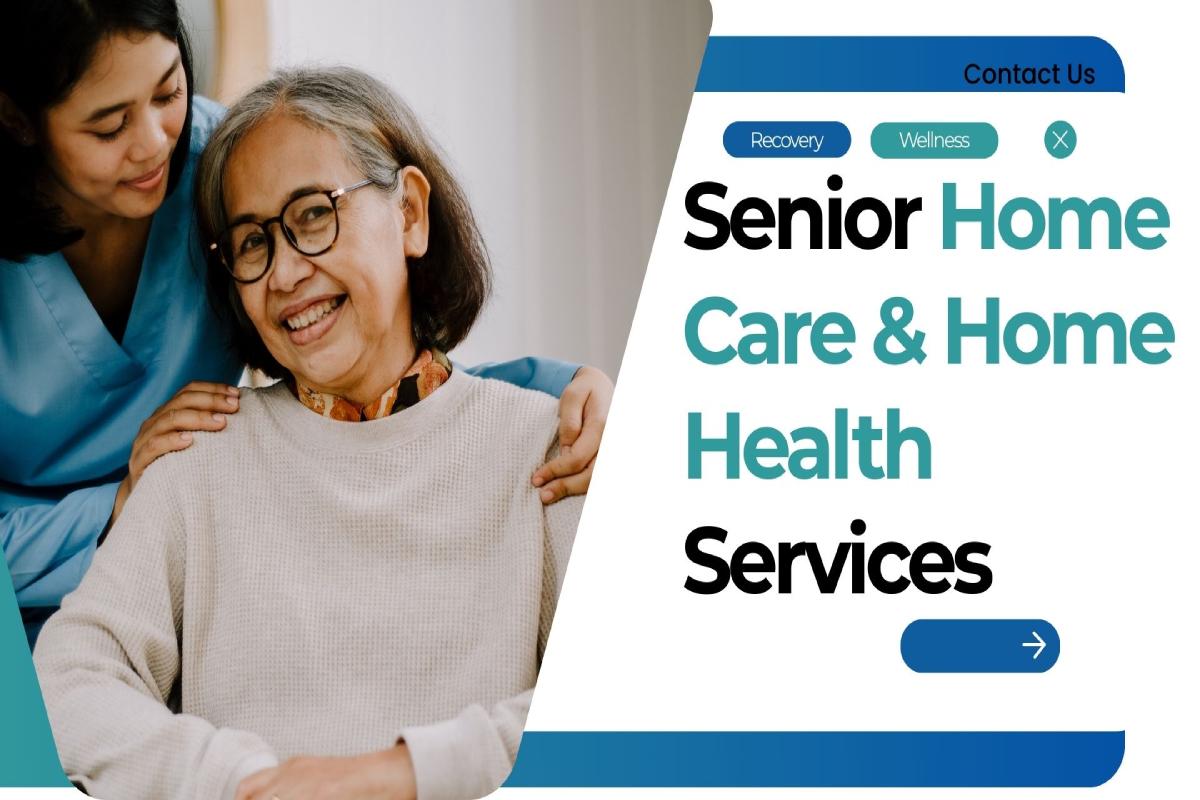


Aging does not mean losing independence or forgoing the daily joys that so easily filled life with excitement. Yet for many seniors, the difference between making it on their own or struggling silently comes down to one thing: support. When an elderly man or woman can receive assistance at an appropriate time, then their lives can dramatically transform physical health, emotional wellbeing, and quality of life for the better.
Table of Contents
Physical Health Sees Tangible Improvements
There may be no greater correlation to the effective timing of intervention than the immediate physical benefits seniors see when receiving support. For those who go without feeling they can care for themselves for too long, risk significant adverse health complications. Philadelphia home care professionals and related fields are there to provide guidance and help at the right time, which prevents small issues from transforming into much larger problems.
For example, the earlier seniors get assistance, the better their health becomes. Their bodies stabilize, and they become more aware of their needs. Frequent check-ins facilitate avoidance of emergencies. Instead, their blood pressure remains in check, their medication schedule remains on track, and meals become healthier with someone there to prepare.
For example, one of the greatest risk factors for older adults is falling. Having a professional caregiver or companion can alleviate the need to go out or exert too much energy, maintain safe living environments and offer encouragement and stabilized support while engaging in normal activities, and this makes all the difference in a person’s life because avoiding broken hips and lengthy, painful recoveries or rehabilitations means that a senior can still enjoy all that life has to offer.
This becomes increasingly true with chronic conditions as well. Diabetes, heart disease, arthritis and other age-related, persistent conditions respond better when there is some type of consistent support. Seniors need check-ups, they need symptoms documented and they need professionals to follow through with treatment plans. Fewer ER visits and stabilized health make chronic conditions easier to manage.
Mental and Emotional Wellbeing Flourishes
But perhaps more importantly are the mental and emotional benefits of those who receive proper support. Loneliness is often a devastating epidemic in older populations where social interaction is effectively limited. This breeds depression and cognitive decline; however, when seniors have consistent companionship with friendly professionals or caregivers, everything changes.
Those with proper support feel like they belong to something bigger than themselves. They possess purpose and are excited to greet each day. They engage in hobbies because they’re able to expend energy. Their mental acuity often gets a boost as well from socialization, conversing with others about ideas they once enjoyed means their minds are occupied by things that matter, and they haven’t lost touch with memories or details simply because they’ve aged.
Anxiety is also alleviated as support maintains a reliable resource should something go wrong. There’s little to fear when someone is at the other end of a phone call with assistance or physical help on the way. Sleep becomes easier, stress is relieved, and family members who may have been concerned report that their loved ones seem to possess smiles that extend from ear to ear.
Independence Becomes Sustainable
Support that meets needs does not mean seniors lose their independence. When approached at the right time, independence can remain sustained for much longer than had seniors denied help. The worst thing an aging adult can do is try to do it all by themselves until they cannot, then they’re left without independence.
When professionals are there to assist for what has become too strenuous while still leaving valuable decision-making capabilities in place, independence can sustain itself in various forms. Seniors can remain in their homes; they can maintain their material possessions (even if someone needs to help them decorate or reorganize at times); and they can still decide how much to engage socially since they have assistance where needed.
As long as personal agency remains intact, anyone would surely welcome assistance with what they can no longer do.
They’re still able to do what they’ve always done: Garden, attend community meetings, socialize with grandchildren and children, host others in their homes, all without anyone batting an eye because they no longer have others doing all for them; instead, they have themselves empowered for as long as possible before a professional helps them with what they still cannot do.
Family Dynamics Improve
When proper support is provided at the right time, family dynamics also change drastically for the better. Gone are the days of adult children stressing about becoming caregivers—as they jump from one task to another, on top of their own responsibilities as stretched-thin parents themselves.
Now, children can spend genuine time with their own parents or grandparents instead of focusing on what needs doing. There’s less fighting over who should handle this vs. that; guilt becomes non-existent since they’ve found professional means; and new relationships are formed through companionship given instead of depleted support received.
Getting support is not easy; but when seniors receive assistance at the right time in life, it changes everything for every part of their existence in which they find dignity, independence and happiness for far longer than anticipated.
Syeda Yasmeen is a content writer at HealthFitnessHouse, where she creates clear, practical and reader-focused content across health, fitness, wellness, nutrition, healthy lifestyle and related topics. With 5 years of writing experience and an academic background in biotechnology, she focuses on presenting general health and wellness information in an accessible and organised way.
View Full Profile →
Sameena Begum is a health, technology and digital content reviewer at HealthFitnessHouse who reviews selected content to help ensure information is presented clearly, accurately and responsibly. Her editorial work focuses on clarity, factual presentation, consistency, structure and reader usefulness.
View Full Profile →