

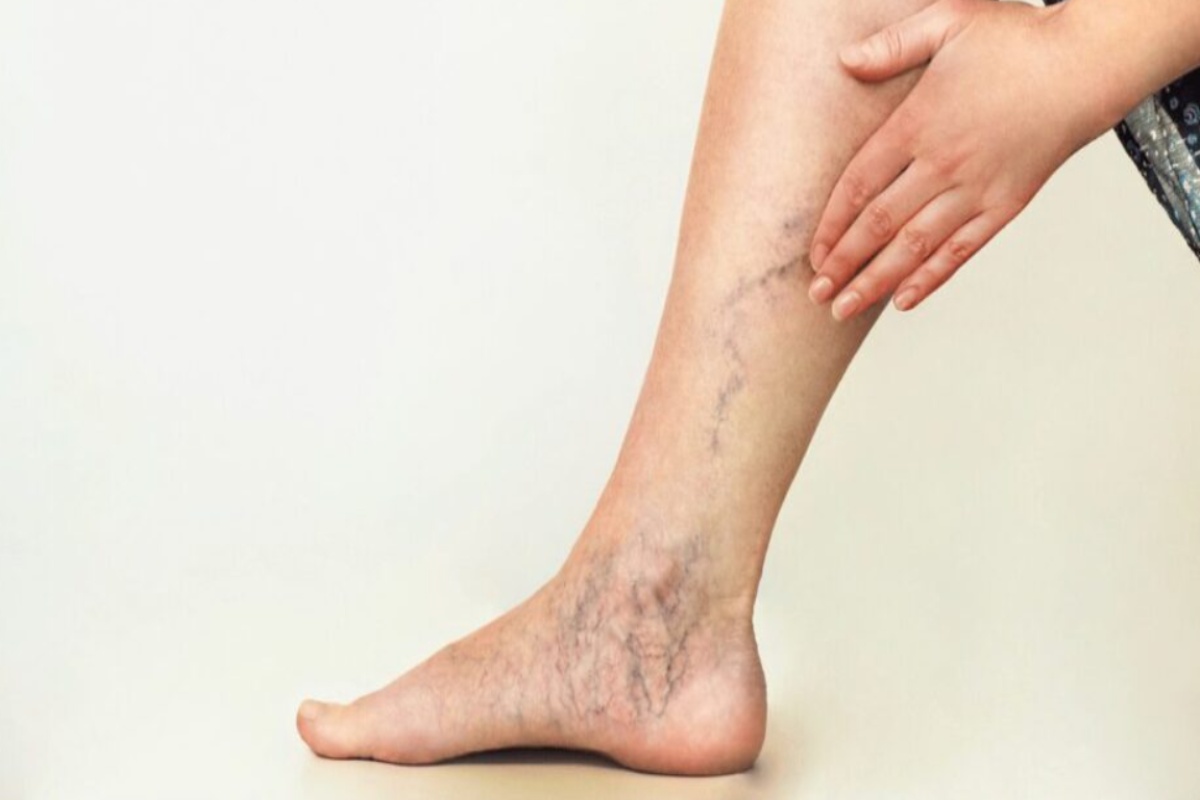


One of the best things you can do in order to remain healthy long term is stay active. Ousting regular exercise because it takes too much time or is only for fitness buffs means rejecting all the good things that come with being active: lower rates of depression, better weight control and a healthier heart. For those with varicose veins, however, staying active may feel a bit more complex at times. Which exercises are safe, if workouts would hurt symptoms, how to keep fit without adding stress to leg health all come up often.
I see varicose veins in all types of exercisers. By knowing how movement impacts circulation, people can comfortably stay active while promoting healthy veins. With the right approach, vein health and fitness can help each other instead of sabotage one another.
Table of Contents
What Active People Need to Know About Varicose Veins
Varicose veins are the result of weakened valves inside the veins that cause blood flow to become inefficient in returning it to the heart. This makes blood pool in the lower legs, chambers and into pressure that leads to veins enlargement and appearance. Their appearance is affected by genetics, age, hormones and lifestyle.
Varicose veins can affect even those who exercise regularly. Prolonged standing, repetitive high-impact activity or insufficient recovery can also stress the venous system. Sometimes early warning signs can be hidden as the individual may feel fit apart from some discomfort in the provision of exercise, delaying vital awareness until it’s too late.
Why Sitting is Still Bad for Your Veins
Movement is one of the best circulation helping tools.” (Strong muscle contractions, particularly in your calves, serve as a pump that assists blood traveling upward through the veins.) When this mechanism works properly, pressure in the veins falls and symptoms often get better.
Vein health is also affected by maintaining normal body weight and reducing inflammation, which an active lifestyle can help control. Most individuals with varicose veins can safely continue regular physical activity, and in many cases, it is recommended that they do so, albeit too much rigorous training intensity without attention to the body’s feedback messages may not be advisable for some people with varicose veins.
Circulation and Comforting Exercises
Low impact and high repetition exercise is often particularly useful for those with varicose veins. By walking, the muscles are worked regularly without over fatigue and it is one of the healthier and most beneficial exercise. You get full-body exercise when swimming, and the pressure of the water naturally helps blood move throughout your body while decreasing swelling in your legs.
Moderate bike riding, elliptical training and controlled strength training can help circulation if held to proper form and in moderation. Exercises that are stretching-based can also support flexibility and decrease muscle tightness which may also indirectly contribute to venous return and overall comfort.
Weighing Strength Training against Vein Health
Strength training is certainly a desirable aspect of fitness, but needs to be performed wisely in the context of varicose veins. Lifting very heavy loads or performing the practice of breath holding during exercise may raise the pressure in the veins while temporarily, and therefore could exacerbate problems.
Performing with moderate resistance, and concentrating on deliberate movements while breathing properly will also prevent unnecessary stress. Same position lower body exercises that involve muscles without extended static holds are often more readily tolerated. Recovery periods and recovery techniques are very important to find balance in between strengthening the gains and enabling vascular comfort.
Identifying Exercises Likely to Cause Pain
Others find that specific activities are associated with more leg heaviness and swelling or a sensation of aching. Aggressive workouts, long-distance running on hard surfaces, and excessive plyometrics can cause flairs in symptoms if recovery is ignored.
That’s not to say these activities need to be eradicated — just adjusted. “I think intensity should be lower, sessions shorter, or mixed with other workouts that continue to allow you to reach those fitness goals but not lead to as much vein-related discomfort.
Importance of Middle Management in Your Active Life
Recovery tends to have been overlooked but plays an important role in vein health. Studies have found that elevating the legs after exercise helps to bring blood back toward the heart and prevent pooling. Also, optimal rehydration supports circulation and tissue recovery…and sleep allows your vascular system to repair & adapt.
Many fit individuals are wearing compression garments in pursuit of greater comfort during and post exercise. Although not a fix themselves, they can relieve fatigue and swelling—especially during long training sessions or for prolonged periods standing on the feet.
When Active Living Doesn’t Cut It for Symptoms
Exercise doesn’t completely prevent varicose vein symptoms for some individuals. If the pain does not go away, you see changes in your veins (like them turning blue), your skin becomes irritated or the swelling is impacting everyday activities a visit to a professional may be needed.
A check up by a specialist is in order to consider whether any underlying vein condition is worthy of medical attention or not. A Vein Clinic Peoria introduces you to care providers that have the latest diagnostic technology and procedures that allow for adjustments that suit a lifestyle full of action.
Vein care has become more compatible with active living as a result of treatment advancements. Many treatments have little downtime and patients are able to transition back to light activity immediately. Treatment in cases should definitively be to avoid but may have direct palliative benefit to the extent that this can improve discomfort, reduce symptoms and/or enhance exercise tolerance however.
Decisions around treatment are tailored to fit the activity levels, severity of symptoms, and long-term health goals. Asking for advice doesn’t mean you’re getting soft on fitness, sometimes it even allows you to train more comfortably.
Mental Confidence and Physical Performance
Dealing with varicose veins can impact more than your physical comfort. Body image worries, stickiness of workouts or fear of making symptoms worse can crush confidence and motivation. Taking care of veins can have a true impact on both physical performance and mental health too.
Being comfortable and confident in your body makes it easier to stick to an exercise plan and have fun while working up a sweat. People are more likely to continue exercising for as long as they can when they believe that their exercise behaviour is beneficial for rather than harmful to their health.
Building a Sustainable Fitness Routine
A sustainable fitness practice honors the body and it’s limitations while also supporting progress. Paying attention to how I feel, modifying my workouts when necessary, and valuing recovery lay the foundation for longevity. Vein health is a component of this equation, not an entirely different concern.
Those that take good care of their legs and opts for an active life will benefit the most from leg health. The best fitness vehicles are those that nourish the entire body, including the circulatory system.
Conclusion
That is, varicose veins do not have to be a barrier to an active lifestyle. With careful exercise selection, well-rounded training and intelligent recovery, you can maintain fitness without damaging your legs. Knowing how movement impacts for blood flow allows people to make conscious decisions about their workout.
If you continue to experience symptoms, or if they’re affecting your quality of life, a professional can help you figure out what’s really going on and how best to address it. Fit and vascular health go hand-in-hand — when they’re taken care of together as part of an integrated whole, they help set you up for a healthier, more active lifestyle filled with comfort, confidence, and long-term wellbeing.
Syeda Yasmeen is a content writer at HealthFitnessHouse, where she creates clear, practical and reader-focused content across health, fitness, wellness, nutrition, healthy lifestyle and related topics. With 5 years of writing experience and an academic background in biotechnology, she focuses on presenting general health and wellness information in an accessible and organised way.
View Full Profile →
Sameena Begum is a health, technology and digital content reviewer at HealthFitnessHouse who reviews selected content to help ensure information is presented clearly, accurately and responsibly. Her editorial work focuses on clarity, factual presentation, consistency, structure and reader usefulness.
View Full Profile →